Skip to content
How Often Should a Chimney Be Swept? A Complete Guide
A chimney should generally be swept at least once a year, but the exact frequency depends on the type of appliance you use, the fuel you burn, and how often your stove or fireplace is operated.
Regular chimney sweeping is essential for keeping your home safe, improving the efficiency of your wood burner or fireplace, and preventing dangerous chimney fires. Whether you have a log burner, wood burning stove, open fire, or multi-fuel stove, having your chimney cleaned at the right intervals helps ensure it works safely and efficiently.
Why Does a Chimney Need Sweeping?
When you burn wood, coal, or other solid fuels, smoke and combustion gases travel through your chimney. Over time, deposits such as soot, tar, and creosote can build up inside the flue.
These deposits can:
- Reduce the efficiency of your stove or fireplace
- Restrict airflow and cause poor burning
- Create unpleasant smells
- Increase the risk of chimney fires
- Allow dangerous gases such as carbon monoxide to enter your home
A clean chimney allows smoke and gases to escape safely, helping your appliance perform at its best.
How Often Should a Wood Burner Chimney Be Swept?
For a wood burning stove or log burner, it is recommended that the chimney is swept at least once a year.
If you use your wood burner frequently, especially throughout autumn and winter, you may need to have it swept more often. Heavy use can lead to a faster build-up of soot and tar.
A good rule of thumb is:
- Wood burners used regularly: Sweep at least once a year, or more often if needed
- Open fires used regularly: Sweep several times a year depending on use
- Occasional use: Sweep before the start of the burning season
Many homeowners choose to have their chimney swept in late summer or early autumn before lighting their stove for the first time.
How Often Should a Multi-Fuel Stove Chimney Be Swept?
Multi-fuel stoves can burn different fuels, including wood and approved solid fuels. Because different fuels create different levels of residue, sweeping requirements can vary.
A multi-fuel chimney should usually be swept:
- At least once a year when burning smokeless fuels
- More frequently if burning wood regularly
- Whenever there is noticeable smoke, poor performance, or increased soot
If you frequently switch between fuels, regular sweeping is especially important.
Do Gas and Oil Appliances Need Chimney Sweeping?
Yes, although they usually produce less soot than solid fuels.
For gas and oil appliances, the chimney and flue should still be checked and maintained regularly. The frequency depends on the appliance type, usage, and manufacturer recommendations.
A qualified professional can advise on the correct maintenance schedule.
Signs Your Chimney Needs Sweeping
You should arrange a chimney sweep if you notice any of the following:
1. Smoke Coming Back Into the Room
If smoke is entering your home instead of flowing up the chimney, there could be a blockage or poor airflow.
2. A Strong Smoky Smell
A dirty chimney can cause lingering smells, especially when the fire is not lit.
3. Poor Burning Performance
If your log burner is difficult to light, produces excessive smoke, or does not burn efficiently, your chimney may need cleaning.
4. Excessive Soot or Tar Build-Up
Heavy deposits inside the flue can increase the risk of chimney fires.
5. It Has Been More Than a Year
If you cannot remember the last time your chimney was swept, it is probably time to book one.
What Happens During a Chimney Sweep?
A professional chimney sweep will usually:
- Inspect the chimney and appliance
- Protect the surrounding area from soot
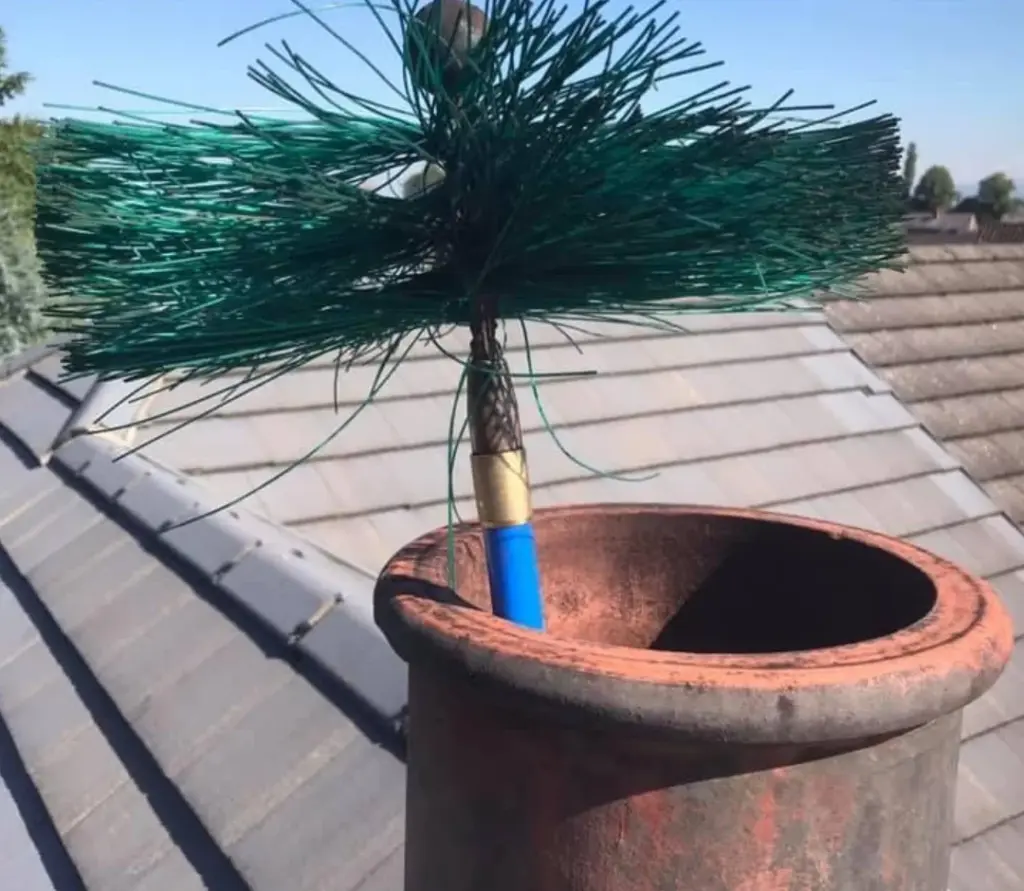
- Sweep the flue using specialist equipment
- Remove soot and deposits
- Check that the chimney is clear and operating safely
A sweep should also provide you with a certificate confirming the work has been completed, which can be useful for insurance purposes.
Can You Sweep a Chimney Yourself?
While chimney sweeping equipment is available, professional sweeping is recommended because a qualified sweep can identify potential problems such as:
- Cracked flue liners
- Blockages
- Poor ventilation
- Incorrect installation issues
A professional chimney sweep has the experience to check that your appliance is safe as well as clean.
How Much Does a Chimney Sweep Cost?
The cost of chimney sweeping varies depending on your location, appliance type, and the condition of the chimney.
Most homeowners should expect to pay for a straightforward sweep, with additional costs possible if repairs or further inspections are required.
Regular sweeping is a small investment compared with the potential cost of chimney damage or a house fire.
How to Reduce Chimney Build-Up
You can help keep your chimney cleaner by:
- Burning dry, seasoned wood with low moisture content
- Avoiding burning treated or painted wood
- Using the correct fuel for your appliance
- Operating your stove according to the manufacturer’s instructions
- Ensuring your chimney has adequate airflow
Using good-quality fuel is one of the easiest ways to reduce soot and tar deposits.
Final Thoughts: How Often Should You Sweep a Chimney?
For most UK homes with a wood burner or log burner, the safest approach is to have your chimney swept at least once every year. Homes that use their stove heavily may need more frequent sweeping.
Regular chimney maintenance improves safety, helps your appliance run efficiently, and gives you peace of mind throughout the heating season.
If you are unsure when your chimney was last swept, booking a professional chimney sweep before your next fire is the best way to ensure your wood burner is ready to use safely.