Skip to content
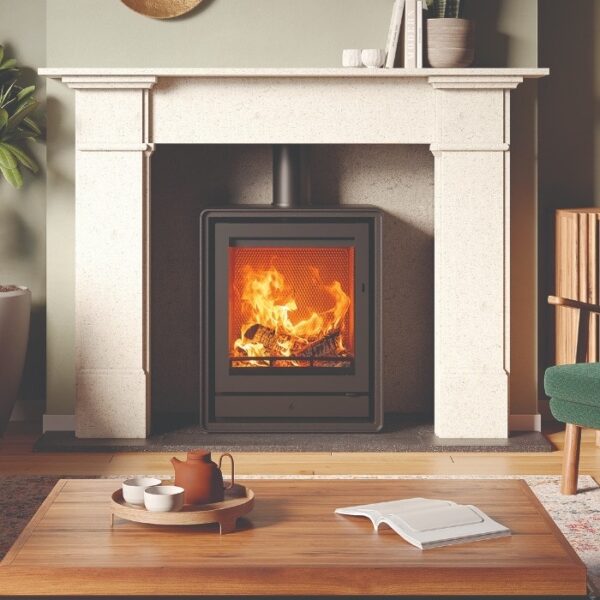
Your preferred fuel, the amount of heat you need and how much flexibility you want will all influence which type of stove is best suited to your home.
In this guide, we’ll break down the differences in simple terms to help you choose between a wood burner and a multi-fuel stove.
What is a wood burner?
A wood burner is a stove designed specifically to burn seasoned or kiln-dried logs. It is engineered to deliver a clean, efficient burn while producing a natural, attractive flame.
Wood burns most effectively with air supplied above the fuel. Unlike a multi-fuel stove, a dedicated wood burner will also usually have a flat firebox rather than a raised grate and ashpan. A small bed of ash can be left in the bottom of the stove, with the excess removed when necessary.
Wood burners are ideal for homeowners who want a traditional fireplace feel combined with modern efficiency.
View our full range of wood burning stoves.
Benefits of a wood burner
- Designed specifically for burning logs
- Beautiful, natural flame pattern
- High efficiency when burning dry wood
- Low ash output and straightforward cleaning
- Ideal for creating a cosy atmosphere
What is a multi-fuel stove?
A multi-fuel stove is designed to burn more than one type of fuel. In addition to wood, it can also burn suitable approved solid fuels.
The key difference is the internal grate system. Solid mineral fuels require an air supply from beneath the fuel, so a multi-fuel stove normally incorporates a raised grate and ashpan. This gives you greater flexibility over the type of fuel you can use.
Browse our range of multi-fuel stoves.
Benefits of a multi-fuel stove
- Can burn wood and suitable approved solid fuels
- More flexibility with fuel choice
- Different fuels provide different burning characteristics
- Certain fuels can provide longer burn times
- Useful if you do not want to rely exclusively on logs
- Usually includes an ashpan for easier ash removal
Wood burner vs multi-fuel stove: key differences
Although the two types of stove can look very similar from the outside, the way they are designed to burn fuel is different. Understanding those differences will help you choose the right option for your home and lifestyle.
Fuel type
- Wood burners: Designed specifically for seasoned or kiln-dried logs
- Multi-fuel stoves: Can burn wood as well as suitable approved solid fuels
If you intend to burn logs exclusively, a dedicated wood burner is the straightforward choice. If you want flexibility over the fuels you use, a multi-fuel stove is more versatile.
Heat output
Heat output depends on the stove model, its rated output and the fuel being burned rather than simply whether it is a wood burning or multi-fuel appliance.
When choosing either type, the important consideration is selecting a stove with the correct heat output for the room it needs to heat. An oversized stove can be just as unsuitable as one that is too small.
Maintenance
- Wood burners: Generally produce relatively small quantities of ash when burning good-quality dry wood
- Multi-fuel stoves: May require more frequent ash removal depending on the fuel being used
Both types of stove require routine cleaning and maintenance, along with regular chimney sweeping.
Flame aesthetics
- Wood burners: Known for tall, natural and visually appealing flames
- Multi-fuel stoves: Flame appearance will vary according to the fuel being burned
If the appearance of a traditional log fire is particularly important to you, a dedicated wood burner is often the preferred choice.
Running costs
Running costs depend heavily on the price and availability of fuel in your area, as well as how frequently you use the stove.
- Seasoned or kiln-dried wood can be cost-effective, particularly when sourced locally
- The cost of approved solid fuels varies by type and supplier
- A modern, correctly sized stove will use fuel more effectively than an old or inefficient appliance
Which is better: wood burner or multi-fuel stove?
There is no single “best” option. The right choice depends on the type of fuel you want to burn and how you plan to use your stove.
Choose a wood burner if you want:
- A traditional, natural fire experience
- Beautiful flame visuals
- Simple cleaning and maintenance
- A stove used primarily for burning logs
Explore our range of wood burning stoves.
Choose a multi-fuel stove if you want:
- Greater flexibility over the fuel you burn
- The option to use suitable approved solid fuels
- Different fuel options throughout the year
- A grate and ashpan for managing solid fuel
Discover our range of multi-fuel stoves.
UK regulations and efficiency
Modern stoves sold in the UK are subject to environmental and emissions requirements. If you live in a smoke control area, you will also need to consider whether the appliance and fuel you intend to use are suitable for that location.
To get the best performance from either type of stove:
- Always use dry, seasoned or kiln-dried wood when burning logs
- Only use suitable approved solid fuels where required
- Choose a modern stove with the correct output for your room
- Have the stove and flue system installed correctly
- Maintain the appliance and have the chimney swept regularly
Modern wood burners and multi-fuel stoves are designed to burn more efficiently and cleanly than many older appliances when they are operated correctly.
Final verdict
If your priority is simplicity, burning logs and enjoying a natural flame, a wood burner is likely to be the better choice.
If you want greater flexibility over the fuels you can use, a multi-fuel stove may be more suitable.
Both can be excellent choices. The important thing is to select the right stove for your home, use the correct fuel and operate it properly.
Need help choosing the right stove?
If you’re still unsure, explore expert advice and a wide range of options at Log Burners to find the right stove for your home.